
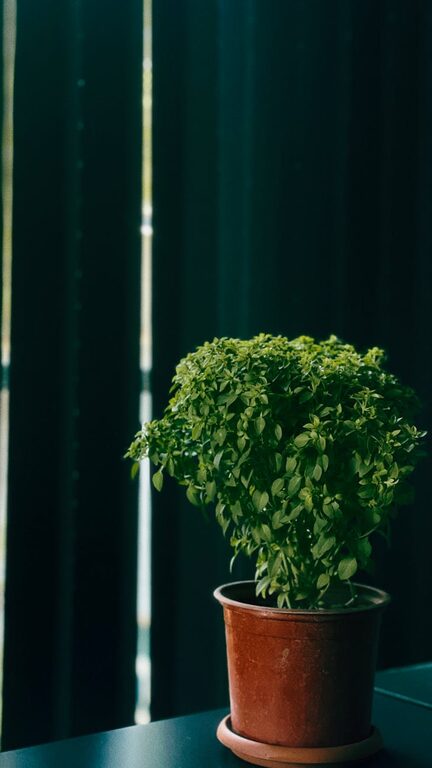
Starting a small herb garden indoors is a wonderful way to bring fresh flavors into your kitchen while adding a touch of greenery to your living space. Whether you have a sunny windowsill, a small balcony, or just a countertop, growing herbs at home is both fun and rewarding. This guide will walk you through everything you need to know to get your indoor herb garden off to a great start.
Why Grow Herbs Indoors?
Growing herbs indoors offers several benefits:
– Access to fresh herbs year-round: No need to buy dried or store-bought herbs.
– Cost-effective: Growing your own herbs saves money over time.
– Decoration: Herbs add natural beauty and fragrance to your space.
– Enjoyment and relaxation: Gardening can be a calming hobby.
– Better flavor: Homegrown herbs often taste fresher and stronger.
Choosing the Right Herbs for Indoor Gardening
Some herbs thrive indoors better than others. Here are popular choices that are beginner-friendly:
– Basil: Needs bright light and warmth; great for Italian dishes.
– Parsley: Tolerates moderate light; versatile in recipes.
– Mint: Prefers indirect light and moist soil; be cautious as it spreads quickly.
– Chives: Enjoys bright light and well-drained soil.
– Thyme: Requires lots of sun and well-draining soil.
– Oregano: Likes bright light and dryer soil.
– Cilantro: Needs cooler temperatures and bright light.
Choose 3–5 herbs to start based on your cooking preferences and available space.
What You’ll Need
Before you begin, gather these supplies:
– Containers: Pots with drainage holes, small planters, or even recycled containers.
– Potting mix: Use a high-quality, well-draining potting soil.
– Seeds or starter plants: You can begin with seeds or buy small herb plants.
– Light source: A sunny window (south-facing is best) or a grow light.
– Watering can or spray bottle
– Labels (optional): To keep track of each herb.
Step-by-Step Guide to Planting Your Indoor Herb Garden
1. Select Your Containers and Prepare Soil
Choose pots that fit your space and have drainage holes to prevent waterlogging. Fill them with fresh potting mix, leaving about an inch of space at the top.
2. Plant Your Herbs
– From seeds: Sow the seeds according to the packet instructions, usually shallow depth. Keep the soil moist but not soggy.
– From starter plants: Gently remove plants from their nursery pots, loosen roots if compacted, and plant them in your containers.
3. Provide Adequate Light
Herbs need about 6 hours of sunlight daily. Place your pots on a bright windowsill or under a full-spectrum grow light for 12-16 hours if natural light is limited.
4. Water Properly
Keep the soil moist but avoid overwatering. Check moisture by sticking your finger an inch into the soil; water only if it feels dry. Most herbs do not like soggy soil.
5. Maintain Humidity and Temperature
Indoor herbs prefer temperatures between 65-75°F (18-24°C). If your home is dry, mist the leaves occasionally or use a small humidifier nearby.
6. Fertilize Occasionally
Use a balanced, water-soluble fertilizer once a month at half strength to encourage healthy growth.
Tips for Success
– Rotate your plants regularly to ensure even light exposure.
– Prune herbs often to encourage bushier growth and prevent flowering, which can reduce flavor.
– Harvest carefully by pinching or cutting the top leaves, leaving enough foliage for regrowth.
– Watch for pests like aphids or fungus gnats; wipe leaves or use natural pest controls if needed.
Common Challenges and Solutions
| Problem | Cause | Solution |
|————————|——————————-|————————————-|
| Leggy, thin plants | Insufficient light | Move closer to window or add grow light |
| Yellowing leaves | Overwatering or poor drainage | Check soil moisture and improve drainage |
| Slow growth | Nutrient deficiency or low light | Fertilize and increase light exposure |
| Pests | Indoor insects like aphids | Use insecticidal soap or wipe leaves |
Enjoying Your Indoor Herb Garden
Once your herbs are growing strong, incorporate them into your cooking for fresh flavor. Try adding basil to pasta, mint to tea, or thyme to roasted vegetables. Having herbs at your fingertips encourages healthier cooking and reduces waste compared to store-bought.
Final Thoughts
Starting a small herb garden indoors is accessible to anyone, even with limited space or gardening experience. By choosing the right herbs, providing proper light and water, and offering some regular care, you can enjoy fresh herbs all year. Plus, the process of nurturing plants is a rewarding way to bring nature indoors and enhance your home environment.
Why not start today? Your kitchen herb garden awaits!